Noodles made from kelp and seaweed — the Korean approach to a low-calorie, plant-based alternative to conventional wheat noodles. Korea's coast-abundant seaweed tradition combined with modern food processing produces a noodle that offers distinctive texture, clean nutritional credentials, and genuine ingredient story for health food buyers. Designed and manufactured in Korea, sourced through DEMORE.
Seaweed is one of Korea's most consumed natural ingredients — it appears in soups, side dishes, snacks, and now in noodle format. The production of kelp-based noodles has grown from a Korean domestic health food product into an internationally traded item as Western markets have developed interest in seaweed as a superfood ingredient. Korean manufacturers bring the most established seaweed processing expertise to this product.
Seaweed noodles (also sold as kelp noodles in international markets) offer a distinctive combination: very low calorie content, no gluten in the main ingredient, and a slightly translucent, gel-like texture that is different from wheat or rice noodles. They work as a cold salad noodle (as in Korean naengmyeon-adjacent preparations), stir-fried with sauce, or as a warm soup noodle.
The seaweed source, processing method, and full nutritional data are in the product specification. Contact DEMORE to request it.
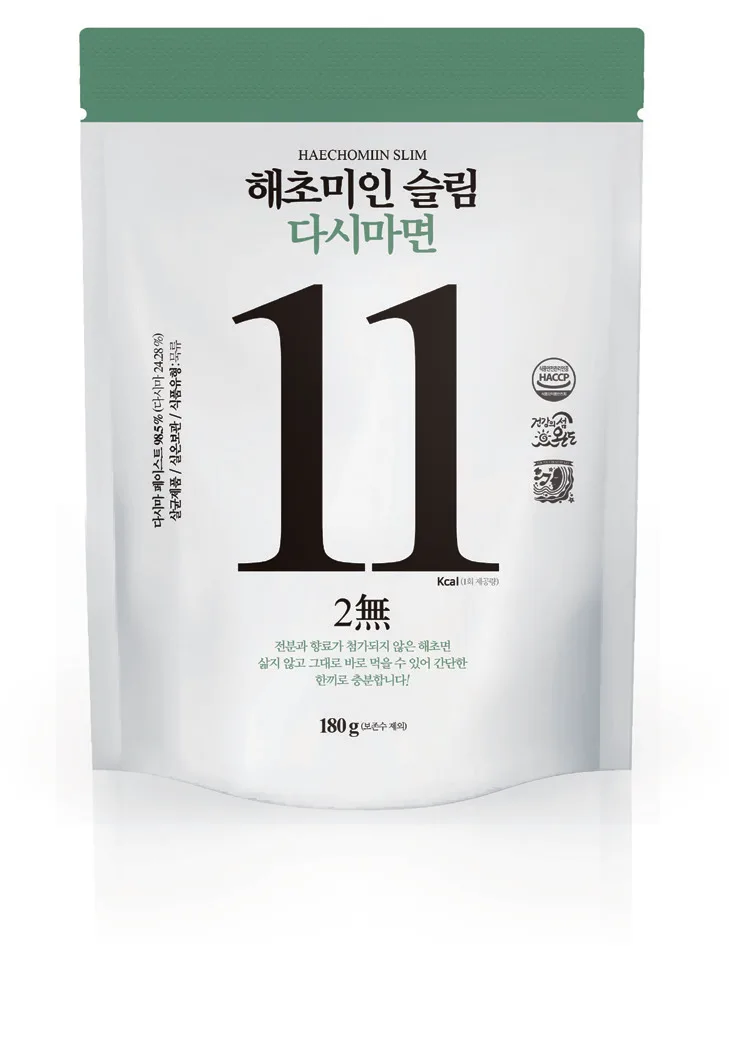
Seaweed noodles are very low in calorie relative to their volume — kelp's carbohydrate structure (primarily alginates and fucoidan) delivers very few calories while providing the physical bulk of a noodle serving. The exact calorie figure is in the product data sheet.
Seaweed is naturally high in iodine, calcium, magnesium, and other sea minerals. This nutritional profile is a genuine differentiator from grain-based noodles and supports health-food positioning.
[확인 필요] — gluten-free certification status and labelling eligibility are confirmed in the product specification. Contact DEMORE with your target market's labelling requirements.
Natural and health food retailers where low-calorie and plant-based alternatives to conventional noodles have established distribution. The core channel for seaweed noodle internationally.
Asian grocery stores where Korean seaweed products have a natural home. Seaweed noodles are familiar to Korean, Japanese, and broader East Asian consumers in this channel.
Specialist diet and weight management food retailers and online channels where the very-low-calorie noodle category serves calorie-restricted diet plans.
[확인 필요] — full nutritional data including calories, carbohydrates, and minerals per serving is in the product data sheet. Contact DEMORE to request it.
[확인 필요] — gluten-free status and certification eligibility are confirmed in the product specification. Contact DEMORE with your labelling requirements.
[확인 필요] — seaweed species (kelp/kombu, agar, or mixed) is confirmed in the product data sheet. Contact DEMORE to request it.
[확인 필요] — shelf life and storage conditions (ambient or refrigerated) are confirmed in the product specification. Contact DEMORE.
Contact DEMORE at [email protected]. DEMORE typically replies within one business day.