DEMORE / Building Materials / Technical Dossier
Product Dossier · No. BM-03

Antiviral Interior Wall Paint

A wall coating that fights back. Copper-ion (Cu²⁺) technology built into standard interior paint delivers a 99.4% reduction in COVID-19 virus on the painted surface in just 30 minutes — verified by third-party ISO 21702 testing. Applied exactly like any other interior paint. Designed and manufactured in Korea, sourced for global buyers through DEMORE.

99.4%
Virus kill rate (ISO 21702)
30min
Kill time to result
Cu²⁺
Copper-ion active
3rd-party
ISO 21702 certified test
01 · Overview

Walls that actively reduce the virus load in a room.

Pathogens land on surfaces. They stay viable. People touch those surfaces. This is the contact-transmission problem that hand hygiene alone cannot solve — because hands cannot wash the wall.

Antiviral wall paint addresses the surface itself. Copper-ion (Cu²⁺) particles incorporated into the paint formulation give the dried surface a continuous, passive antiviral property. No activation required. No maintenance. No additional product. The wall simply works.

The effect is validated under ISO 21702, the international standard for antiviral activity on non-porous surfaces. A third-party laboratory confirmed 99.4% COVID-19 virus reduction in 30 minutes of contact time. The product is designed and manufactured in Korea by a specialist coatings producer and sourced for global buyers through DEMORE.

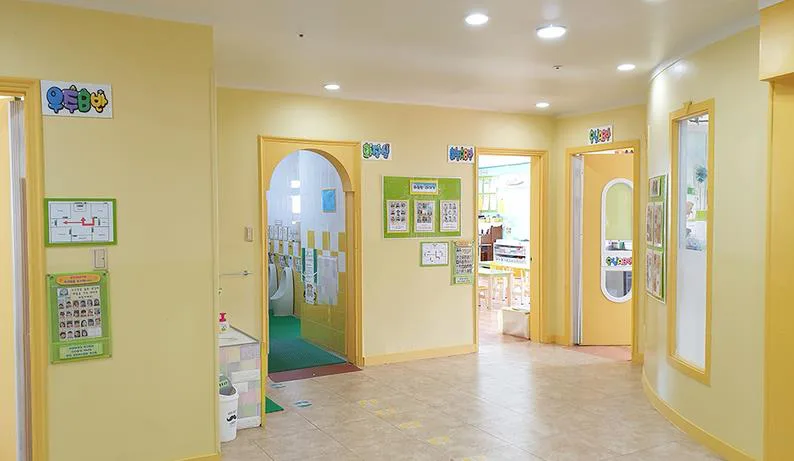
Antiviral wall paint in applied finish
Applied wall surface — copper-ion antiviral coating
02 · Mechanism

Why copper kills viruses. And why it keeps working.

Copper's antimicrobial action is not chemical in the conventional sense — it is electrochemical, and it does not deplete in the way a disinfectant spray does.

Step 1 — Contact

Virus lands on surface

Airborne or hand-transferred viral particles come to rest on the painted wall surface. At this point the virus is viable — it retains the ability to infect a new host for hours on ordinary surfaces.

Step 2 — Ion release

Cu²⁺ attacks membranes

Copper ions (Cu²⁺) continuously released from the paint film interact with the viral envelope and protein capsid. The ions disrupt lipid membrane integrity and interfere with the nucleic acid inside — a multi-point attack that the virus cannot adapt to.

Step 3 — Inactivation

99.4% reduction in 30 min

ISO 21702 testing confirms 99.4% of COVID-19 viral particles are inactivated within 30 minutes of contact with the treated surface. The mechanism is passive — no UV, no heat, no manual activation required.

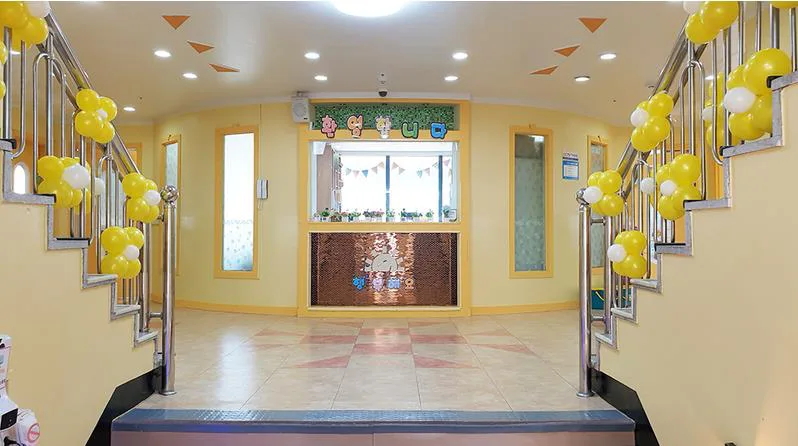
Antiviral paint finish detail
Paint film surface — Cu²⁺ ions integrated into the dried coating

Why copper ions rather than quaternary ammonium or silver? Copper is the best-documented antimicrobial metal: it has been studied in clinical environments since the early 2000s, its mechanism is understood at the molecular level, and it acts on a wider spectrum of pathogens than single-chemistry approaches.

Critically, copper ions are integral to the paint film. They are not a surface spray that wears off. Repainting is not required to maintain the antiviral property — the coating continues to release ions across the surface life of the paint.

03 · Performance

ISO 21702. Third-party. 99.4% in 30 minutes.

The antiviral claim is not marketing language — it is a quantified laboratory result from an independent testing body under a recognised international standard.

Test parameterDetail
StandardISO 21702:2019 — Measurement of antiviral activity on plastics and other non-porous surfaces
Test organismSARS-CoV-2 (COVID-19 virus)
Result99.4% virus reduction
Contact time30 minutes
Testing bodyThird-party independent laboratory (documentation available on request)
Surface testedDried antiviral paint film on non-porous substrate

Full test report available through DEMORE on request. Coverage rate, VOC data, and dry-time specifications are provided in the manufacturer's technical data sheet.

04 · Application

Apply it like any other interior paint. The wall does the rest.

No special tools. No specialist applicators. No changes to the painting process. Antiviral wall paint is applied by roller, brush, or spray exactly as a standard interior emulsion would be.

Preparation

Standard surface prep

Clean, dry, dust-free surface — the same preparation required for any quality interior paint. Priming recommendations are included in the manufacturer's technical data sheet.

Application

Roller, brush, or spray

Conventional application methods. No specialist equipment, no modified technique, no additional training for the painting crew. Coverage rate and number of coats are specified in the TDS — contact DEMORE to request it.

Result

Continuous antiviral surface

Once dry, the wall has a permanently active antiviral surface with no further intervention required. The copper-ion effect is built into the film — it does not require activation, reapplication, or recharging.

05 · Applications

Anywhere contact transmission is a risk.

A·01

Hospitals & clinics

Patient rooms, examination rooms, corridors — where pathogen load on touch surfaces is highest and infection control is critical.

A·02

Schools & kindergartens

High-density, high-touch environments where viral transmission between children is a persistent concern for operators and parents.

A·03

Hotels & hospitality

Guest rooms, lobbies, and high-turnover common areas where hygiene standards are both a guest expectation and a brand promise.

A·04

Office & corporate

Meeting rooms, breakout areas, lift lobbies — the surfaces that rotate daily contact between large numbers of staff.

A·05

Residential kitchens

Kitchen walls are high-touch and hard to keep chemically disinfected. Antiviral paint gives a passive hygiene layer without wet cleaning risk to surfaces.

A·06

Public restrooms

Walls in restroom cubicles and handwashing areas receive heavy contact; an antiviral surface reduces the resident pathogen load between cleaning cycles.

A·07

Transport hubs

Airport terminals, train stations, and transit interchanges where high footfall creates high contact-surface challenge.

A·08

Food production

Processing areas where wall-surface hygiene is subject to regulatory inspection and operational contamination-control protocols.

06 · Quality

Designed and manufactured in Korea. Validated by an independent laboratory.

Origin

Designed in Korea · Manufactured in Korea

Produced by a Korean specialist coatings manufacturer with expertise in functional interior paint formulations.

Test standard

ISO 21702

International standard for antiviral activity on non-porous surfaces — the globally recognised benchmark for this product category.

Validation

Third-party laboratory

The 99.4% result was produced by an independent test body, not in-house. Full test documentation available through DEMORE on request.

Active agent

Copper ion (Cu²⁺)

Copper is the best-studied antimicrobial metal in the scientific literature, with validated activity against a broad spectrum of viruses and bacteria.

Permanence

Integral to the film

The antiviral agent is built into the paint formulation, not a surface treatment. It does not wash off and does not require reapplication.

Documentation

TDS & test report

Technical data sheet, safety data sheet, and the full ISO 21702 test report are available through DEMORE on request for any buyer specifying the product.

07 · FAQ

Buyer questions, answered.

How does this differ from ordinary interior paint?

Standard interior paint is passive — it covers and protects the surface. Antiviral wall paint contains copper-ion (Cu²⁺) particles that actively disrupt viruses on the surface. The application process is identical, but the dried film has a continuously active antiviral property that a standard paint does not.

What does ISO 21702 actually measure?

ISO 21702 is the international standard for testing antiviral activity on non-porous surfaces. A defined quantity of virus is deposited on the test surface, held for a set contact time, then recovered and titrated to measure how many viable viral particles remain. The 99.4% result means fewer than 6 in 1,000 COVID-19 viral particles survived 30 minutes of contact with the treated surface.

Is the paint safe for occupied rooms?

The antiviral activity comes from copper ions fixed within the dry paint film — not from a volatile or airborne compound. Contact DEMORE for the full technical data sheet and safety data sheet relevant to your target market and application before specifying.

How long does the antiviral effect last?

Because the copper-ion additive is integral to the paint film, not a topcoat treatment, the antiviral property does not diminish with routine cleaning the way a disinfectant spray would. The manufacturer's technical data sheet includes durability data. Request it through DEMORE.

What are the coverage rate and available colours?

Coverage rate, colour options, dry times, and VOC data are published in the manufacturer's technical data sheet. Contact DEMORE to request the TDS and a colour chart.

How do I get a sample and pricing?

Contact DEMORE at [email protected] with your project specification — surface area, application environment, and target market. DEMORE typically replies within one business day with pricing, minimum order quantities, lead times, and a sample request process.
Start the conversation

An active antiviral surface. Applied like any other paint.